Wild Justice and Badger Trust secure acknowledgment from Natural England that appeasing farmers and budget pressures should not have influenced culling decisions in this case and should generally not be relevant factors in future decisions.
A legal challenge brought by Wild Justice and Badger Trust concerning supplementary Badger cull licences has forced policy concessions from Natural England, with additional concessions from Defra, negating the need for the court to exercise its discretion to grant a declaration.
Key concessions from Natural England and Defra were made, recognising that appeasing farmers, political pressure, and budget considerations should not in this case have been factors in authorising Badger culls. Natural England also conceded that in general those factors should not be relevant to culling decisions. Defra did not make that additional concession, meaning that Defra wants to keep open the possibility of taking those things into account in future culling decisions.
Natural England stated that lessons will be learned with regards to its decision making when it comes to Badger culling, following the legal audit from this case.
Our long, drawn-out legal challenge (starting in August 2024 and concluding in June 2026) has also set a landmark precedent for access to environmental justice, with the Court rejecting Natural England’s attempt to remove standard costs protections for claimants under the Aarhus Convention1. As a result, Natural England has signalled that it might never make this sort of application again.
Our judicial review has shone a light on internal documents which reveal how Natural England approved additional culling of Badgers against its own scientific advice. The internal papers, prepared for Natural England’s Executive Committee, briefed senior leadership on applications for supplementary Badger culls and set out supposedly relevant considerations for licence granting. Amongst these were four factors that the document implied could be taken into account when granting licences. These factors were:
Following the distribution of this document, Natural England granted 26 supplementary Badger cull licences on 3rd May 2024, despite a declaration from its Director of Science that there was “no justification” for this cull at this time. As a result, Wild Justice and Badger Trust brought a challenge on the basis that the decision had been improperly influenced by irrelevant considerations, including the consequences outlined in the briefing document.
Shortly before and during the proceedings, Natural England argued that its decision-maker had not accessed, or relied upon, the briefing document containing those considerations. As a result, no finding of unlawfulness could be made. Following Natural England’s concession, lawyers for Wild Justice and Badger Trust invited the Court to make a formal legal ruling confirming that the four considerations would have constituted irrelevant factors in the decision-making process. The Court declined to do so, on the basis that it is not the proper function of a court, following concessions on the part of Natural England and Defra, to rule on hypothetical questions.
However, crucially, both Natural England and the Secretary of State conceded at the hearing that those considerations would have been unlawful to rely upon, had they in fact been taken into account in this case.
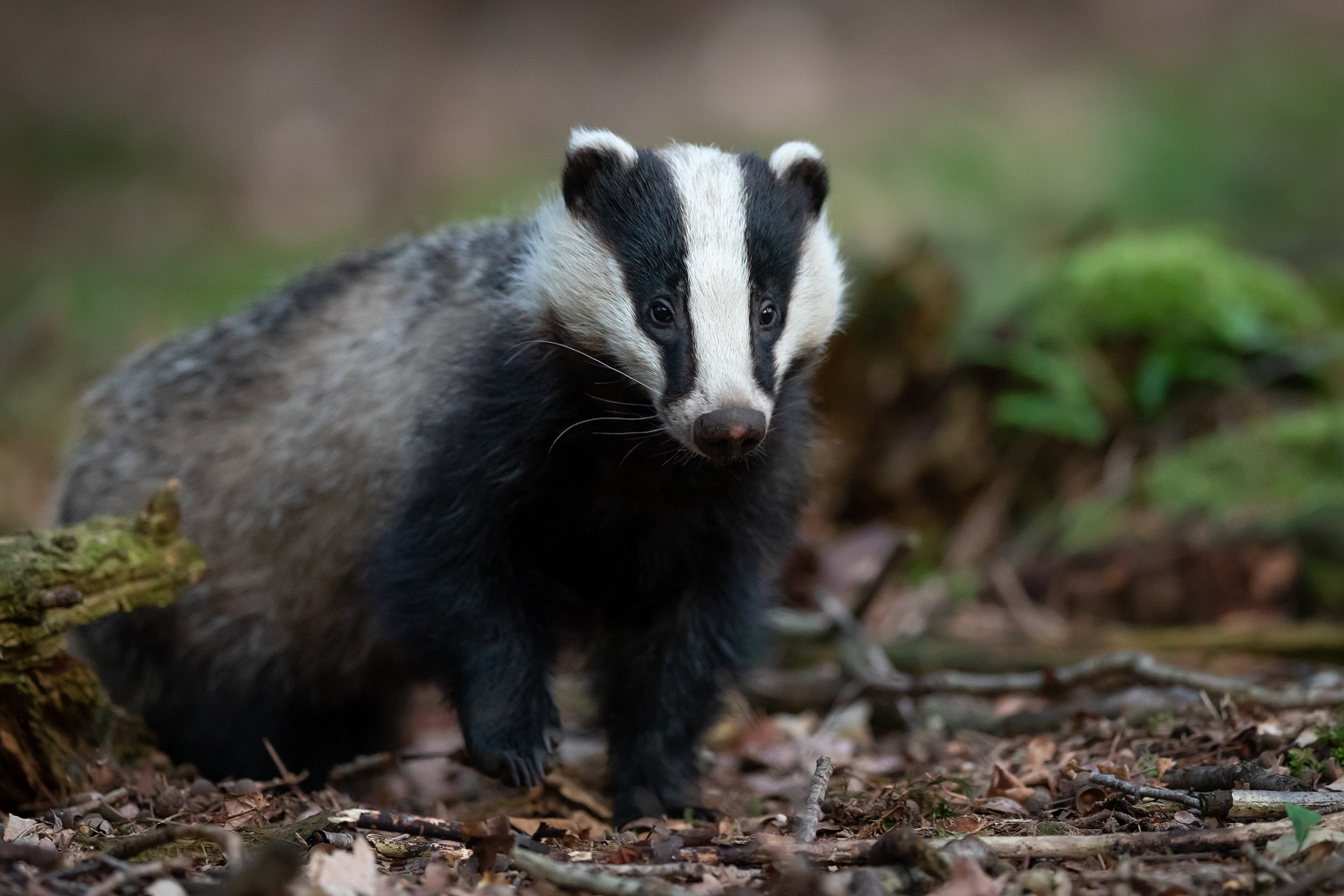
The case was brought because Wild Justice and Badger Trust believe Badger culling is inhumane, lacks scientific justification, and appears to be pursued primarily to satisfy the farming lobby rather than on legitimate grounds for controlling disease. In bringing the challenge, they uncovered evidence that vindicated those concerns in the form of internal documents which would not otherwise have entered the public domain.
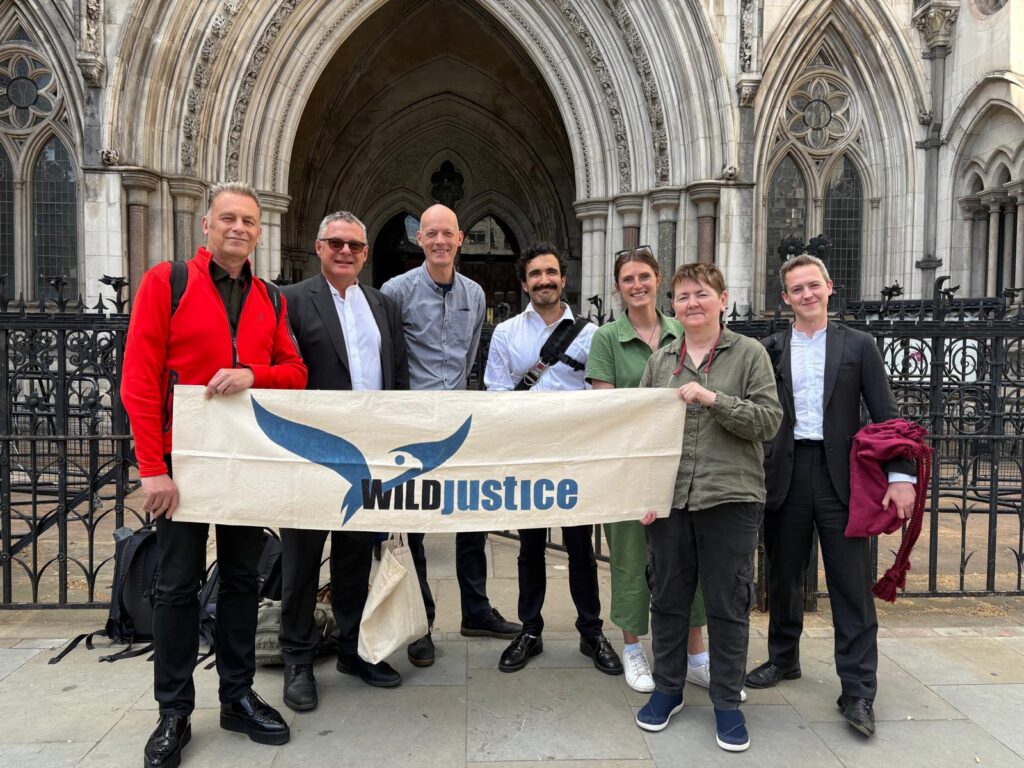
Carol Day, Senior Environmental Solicitor at Leigh Day said:
“This judgment reflects important concessions made by Natural England and the Secretary of State that factors such as appeasing DEFRA and protecting Natural England’s budget should not have been taken into account in this case. Our clients also welcome the ground-breaking judgment given by Mr Justice Fordham in response to Natural England’s unsuccessful attempt to increase the Aarhus costs cap. The judge underlined the importance of environmental cases in exposing and promoting public confidence in public authority decision-making. We hope this sends a strong signal to public bodies that the courts will push back on unjustified attempts to increase their costs liability.”
1 Extract from a passage on costs from the judgment:
“It has turned out that the costs after 25 April 2025 – more than 6 months earlier – could all have been avoided. Leigh Day wrote a letter “without prejudice save as to costs” on that date, offering to agree not to pursue the claim, if NE agreed that there should be no order as to costs. The Claimants, reasonably in my judgment, wanted to ensure that the materials in the proceedings would be accessible in the public domain. The reason given by NE for refusing to agree was an insistence that the Claimants should be liable for the entirety of NE’s reasonable costs incurred to date. That choice of position by NE has not been vindicated. It has not been shown that, as things then stood, the claim would have failed. It is also a striking position for NE to have adopted, for what at that stage were costs of £5.8k. These circumstances means that the costs after 25 April 2025 could all have been avoided. And NE had been warned that the correspondence would be relied on in relation to any later costs dispute. The case could have been stopped, on a reasonable and fair basis, even when NE was maintaining a position on the permissible legal relevance of the Five Considerations which it later withdrew, and even before the evidence which demonstrated that they had not been taken into account. Stepping back, this and the other considerations balance out, and the just order is no order as to costs.”