
NatureScot is reviewing the General Licences (GL) it uses to allow people to kill or take certain species of wild birds in Scotland.
Wild Justice thinks that this is an important opportunity to make the system more accountable, evidence-based and protective of wildlife. We have concentrated on commenting on GL01, GL02, GL03, and GL04.
These licences that allow people to kill otherwise protected wildlife have been around for a long time. General Licences allow people to kill wildlife without applying for an individual licence or telling NatureScot in advance what they intend to do.
NatureScot currently has no comprehensive record of who is using these licences, where they are being used, how often they are being used, or how many birds are being killed.NatureScot cannot properly regulate what it cannot measure.
We think that has gone on for long enough.
We are asking you – our supporters – to respond to the consultation and make the case for a licensing system based on evidence, proper monitoring, transparency and the precautionary principle.
You can respond to the consultation here:
You don’t have to answer every question. You can answer as many or as few as you wish.
The home page layout is a series of boxes. The first two boxes outline details about the review, and you can also view all the proposed General Licences in another.
Please don’t simply copy and paste our suggested wording. These consultations are more powerful when people explain, in their own words, why they care about wildlife and why they think change is needed.
Below are some suggestions that might help you.
Guidance on completing the consultation:
The first box you can click on asks broader questions related to General Licensing.
The first question asks:
Do you think the current approach to General Licensing works well?
We suggest you select: NO
You might wish to explain that General Licences allow the killing of protected wildlife without any individual licensing, monitoring and reporting that would normally apply to killing wildlife.
NatureScot does not know who is using General Licences, where they are being used, what methods are being used or how many animals are being killed and that makes it impossible to assess whether the licences are actually necessary, whether they are being used lawfully, or what sort of impact they are having on wildlife.
The next question asks:
On a scale of 1–5, do you support the principle of General Licensing?
We suggest selecting: 1 – Strongly disagree
If you want to explain your answer, you could say that a General Licence should only be used where there is a clearly demonstrated need, where there is no satisfactory non-lethal alternative, and where the activity can be properly monitored.
You could make the simple point that if people are legally killing protected wildlife, NatureScot should know how much wildlife is being killed.
This section then asks:
Should all General Licences include a condition to provide returns?
We suggest selecting: Some, not all
We think this is one of the most important points in the consultation.
A return simply means that the person using the licence tells NatureScot what they have done. You could point out in the comments section that people undertaking other licensed activities involving wildlife are required to provide information about what they have undertaken under the licences. This would allow NatureScot to build up evidence about the scale of killing and would be a far more transparent system.
You are then asked:
Should new General Licences be considered for any other purpose, species or legislation?
You might wish to select No and say there is no scientific evidence to support adding any further species to these licences.
You can then move on to the sections headed ‘Proposed 2027 General Licences Lethal Control’. GL01 allows certain birds to be killed or taken for the purpose of conserving other wild birds.
You are asked:
On a scale of 1-5 (1 Strongly disagree, 5 Strongly agree), do you agree with a General Licence to control wild birds for the conservation of wild birds?
We suggest you select 2
The species proposed are:
You are asked if you agree with the proposed species on the General Licence.
We suggest selecting: NO
You can then select the species you want to comment on. You may wish to click on all of them.
We suggest selecting Magpie.
You might wish to say that the scientific evidence supporting lethal control of Magpies is limited. In circumstances where the evidence is uncertain the precautionary approach should be not to allow unrestricted killing under a General Licence.
You could argue that Magpie should therefore be removed from GL01 unless NatureScot can provide clear evidence and justification for its inclusion.
We suggest selecting Jackdaw.
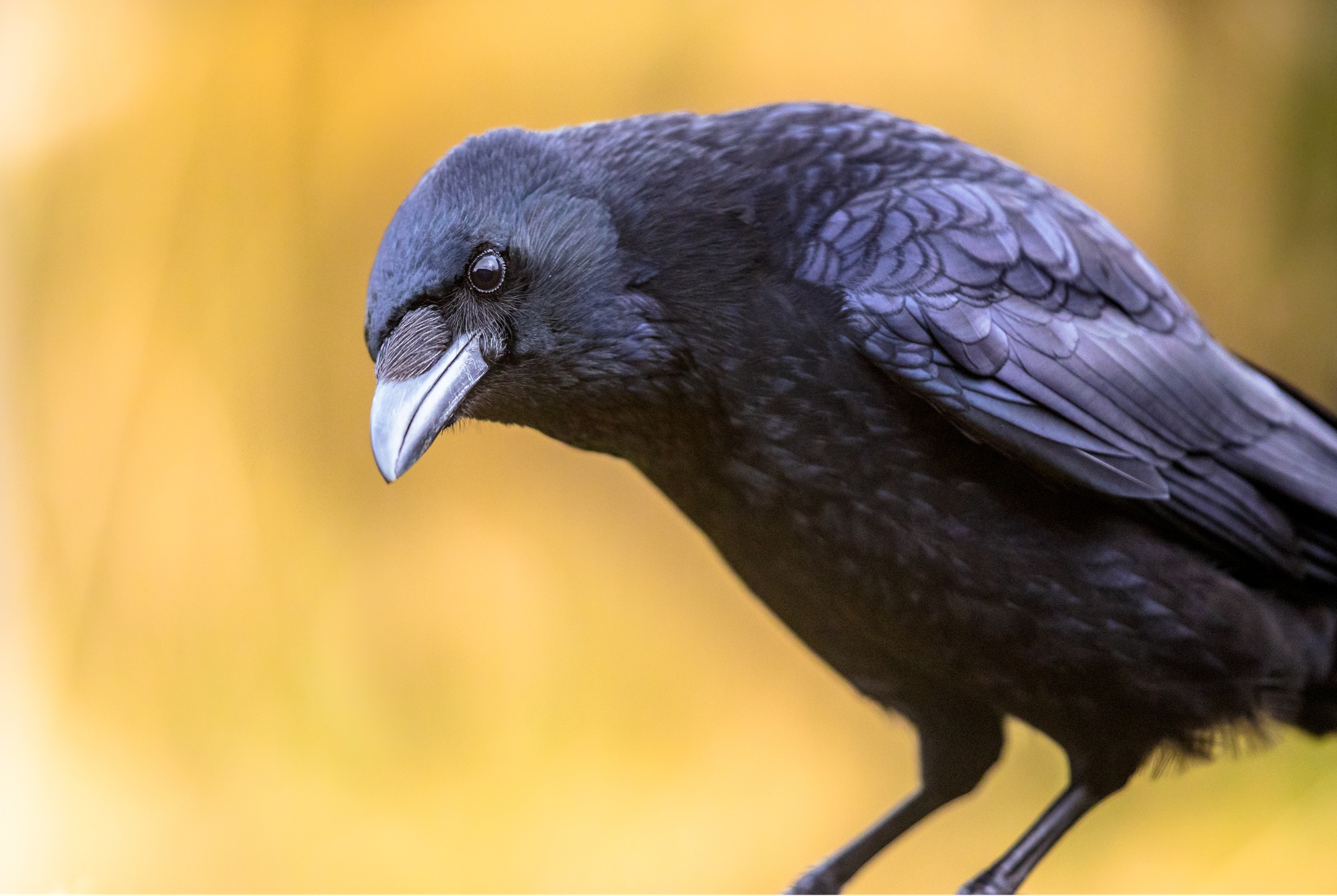
NatureScot’s evidence acknowledges that there is limited evidence that Jackdaws affect the conservation status of wild bird species. You could therefore ask why Jackdaw should remain on a licence permitting unrestricted and largely unmonitored killing.
We suggest selecting Jay.
As for Jackdaw you might wish to say that the case for killing Jays to benefit the conservation of other wild birds is particularly weak with no evidence demonstrating that Jays are responsible for declines in other bird species.
It is understood that Jays also have important ecological roles, including in woodland ecosystems.
You might also choose to comment on Carron Crow and Hooded Crow
The scientific evidence for impacts of crow predation (on other wild birds of conservation concern) might be stronger than it is for some of the other species proposed under GL01. However, that does not mean that killing them should be unmonitored.
You might want to point out that Ruddy Duck and Canada Goose are non-native species and argue that General Licences are not an appropriate mechanism for managing invasive non-native species. Any management should be targeted, coordinated and properly monitored.
You can then move on to issues to do with trapping under the section GL01 Methods.
You are asked about various methods that you wish to comment on, and to provide your reasoning.
We suggest you could select: NO where the consultation asks whether you agree with the proposed methods.
GL01 proposes allowing a range of methods that are listed, including multi-catch cage traps and Larsen-type traps. You might wish to select the relevant options listed concerning traps.
In the comments box you could explain that there are serious concerns about the use of traps under General Licences and saying that multi-catch cage traps are not selective and they can catch species other than the birds they are intended to target. There have been repeated cases of protected birds of prey being caught in these traps.
You could say that you are aware of concerns about basic trap welfare requirements, including failures to provide food, water and shelter, failures to check traps within the required period and failures to ensure traps are properly disabled when not in use.
You could make the simple point that if NatureScot does not actually know where these traps are being used, or how many are being used, it cannot properly monitor whether the rules are being followed.
Wild Justice’s view is that the use of these non-selective traps should be banned.
You are then asked if there are any other methods which should be included on the General Licence.
You might Ike to say that no further methods should be included on this licence.
Finally, you are asked:
Do you agree with the conditions proposed under this General Licence?
We suggest you select No
You might wish to say that you have given your thoughts elsewhere in your consultation response.
You can then move onto the box titled GL02 – Preventing serious damage
You are asked:
On a scale of 1-5 (1 Strongly disagree, 5 Strongly agree), do you agree with a General Licence to control wild birds for the conservation of wild birds?
You might wish to select 2
You are then asked:
Do you agree with the proposed species listed on this General Licence?
Again, we suggest selecting: No.
The proposed species listed include:
You can then select the species you want to comment on.
Jackdaw and Magpie
You could point out that NatureScot’s own evidence acknowledges an absence of scientific evidence for serious agricultural damage caused by these species.
If the evidence isn’t there, there is no justification for unrestricted killing under a General Licence.
Rook
Rooks can provide benefits to farmers, including eating insects that may otherwise damage crops so you might want to argue that any assessment of their impact needs to consider both costs and benefits.
You might want to say that Rook is also an Amber-listed species in Britain and should not therefore be subject to unrestricted, unmonitored killing under a General Licence.
Canada Goose
You could make a similar argument to that under GL01 that General Licences are not an appropriate mechanism for managing invasive non-native species. Any management should be targeted, coordinated and properly monitored.
Greylag Goose
If you want to comment on Greylag Goose, you might want to focus on the need for information of the numbers of birds killed, and say that voluntary reporting is not enough.
Next, you can select from various methods listed, and again, you may wish to concentrate on the trap options.
You are asked to comment on the methods you selected, and you might wish to simply refer to the comments under GL01.
Again, you are asked if there are any other methods which should be included on this General Licence. You may wish to select No and comment that, as with GL01, no further methods should be included on this licence.
You are then asked about GL02 Conditions and asked if youagree with the conditions proposed under this General Licence.
You might wish to select No
You might wish to say that you have made comments under GL01 regarding licence conditions and there should be a reporting requirement for this licence.
The next box asks questions about GL03 – Public health, public safety and disease
You are asked:
On a scale of 1-5 (1 Strongly disagree, 5 Strongly agree), do you agree with a General Licence to control wild birds for the preservation of public health, public safety and preventing the spread of disease?
You might wish to select 3
GL03 proposes allowing the killing of:
We suggest selecting Canada Goose and saying No when asked whether you agree with the proposed species list.
You could repeat the points made above about Canada Goose and the need for properly planned and coordinated management of non-native species.
You could also raise the distinction between Feral Pigeons and wild Rock Doves. How does NatureScot know if Rock Doves are being killed by being misidentified as Feral Pigeons by licence users?
You are asked if you agree with the permitted methods that are listed. If you have concerns about the proposed methods, you can select those and make the comments in the box – otherwise move onto the next question.
The next question is about methods and if any other methods should be included on this General Licence.
You may wish to select No
You are asked:
Do you agree with the conditions proposed under this General Licence?
You may wish to select No and say that as with other General Licences under which users can kill wildlife, there should be a reporting requirement for this licence.
The next box to complete is about: GL04 – 2027 – To take Red Grouse using certain methods in order to administer medication or collect samples
GL04 is different from the other licences and it’s quite an odd one! This licence would continue to allow Red Grouse to be caught so that medication can be administered or samples collected.
You are asked if you agree with a General Licence to permit Red Grouse to be taken by certain methods, in order to administer medication or collect samples and on a scale of 1-5 (1 Strongly disagree, 5 Strongly agree), if you agree with a General Licence to control wild birds for the conservation of wild birds?
You might wish to select 1 from the list.
The next question asks if you agree with various permitted methods.
You might wish to select No and select which methods you wish to comment on. You might wish to select:
By hand
By a hand-held net which must have a minimum opening diameter of 30cm
Any form of artificial lighting, mirror or other dazzling device
There are concerns about the environmental and animal-health implications of the mass medication of Red Grouse to have a surplus of birds to shoot for sport.
You might wish to comment on the need for this General Licence at all, and also ask what the evidence is in supporting the need for it, and what licensable purpose it is intended to serve.