
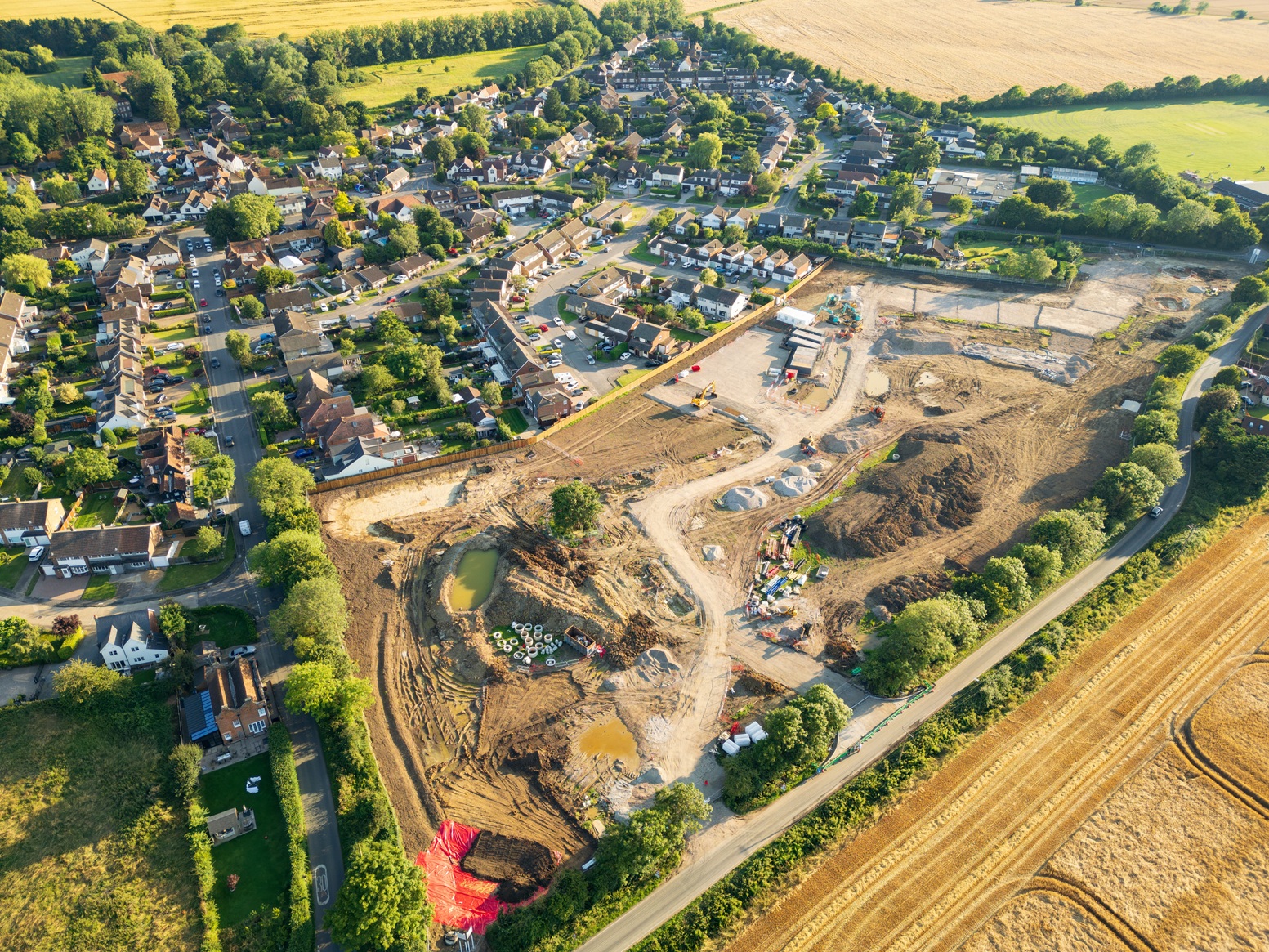
Natural England is failing in its duty to designate the most important sites for nature, known as Sites of Special Scientific Interest (SSSIs), new research from the Universities of Sheffield and Oxford has found.
This failure means that nationally important sites for wildlife have been lost to development, with many others at high risk of harm from inappropriate building projects nearby.
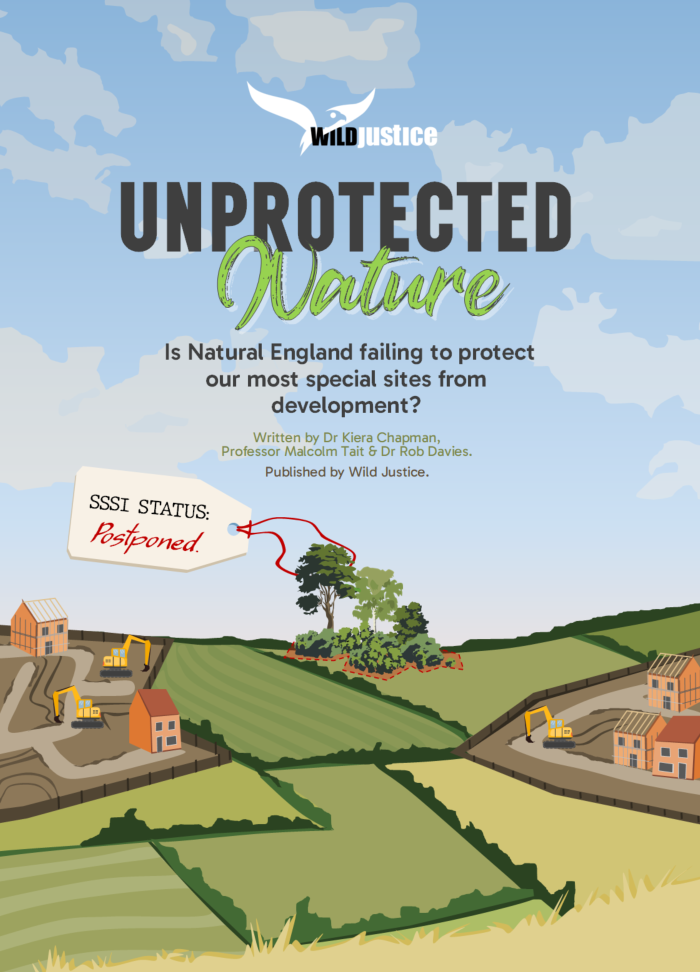
The ‘Unprotected Nature’ report, published by Wild Justice and written by Dr Kiera Chapman, Professor Malcolm Tait and Dr Rob Davies, reveals how, since the 2024/5 financial year, Natural England has quietly paused its process for designating new SSSIs. This information only came to light because Natural England accidentally shared confidential internal memos with a local campaign group.
Designation matters because SSSI status gives sites special protection within the planning system, meaning that Local Planning Authorities must consider damage to these special places when assessing planning applications or allocating land for development.
The researchers assessed 22 sites awaiting designation in Natural England’s ‘SSSI pipeline’. They used nationally-available data to search for planning applications and decisions and Local Plan land allocations either on the potential SSSI sites themselves, or within a 1 km radius. This is a very conservative estimate of harm, since many types of urban development cause a much wider radius of ecological damage.
They found:
Natural England says that it is currently reviewing the SSSI process in a move towards landscape-based conservation, but this new research suggests a much longer-standing problem. It is difficult to see how wildlife can be protected at a landscape scale if our most valuable sites for nature within those landscapes are being sacrificed to development.
This matters because we are in a nature emergency, and the UK is one of the most nature-depleted countries in Europe. The government has signed up to international targets to protect 30% of land and sea for nature by 2030. Currently, England has only protected 7.1% of its land – a lower level than any EU country.
Wild Justice is calling for:
Bob Elliot – CEO of Wild Justice said:
“Whilst Natural England dithers and ‘reviews processes’, irreplaceable wildlife sites are being trashed, damaged, and even built over. That is not a technical failure, it’s a dereliction of duty.
“The idea that we can protect nature at a landscape scale while failing to designate the very best wildlife sites is absurd. You don’t save nature by leaving its most important places unprotected and hoping for the best.
“This must change immediately. The designation pipeline needs to be reopened, sites must be designated without further delay, and the government must stop starving the system of resources. Every day of inaction risks losing more of what little wildlife we have left and once it’s gone, it’s gone for good.”
Contacts
Wild Justice: info@wildjustice.org.uk
Dr Kiera Chapman (University of Oxford): kiera.chapman@ell.ox.ac.uk
Professor Malcolm Tait (University of Sheffield): m.tait@sheffield.ac.uk