
Below you will find some guidance on responding to Defra’s recent public consultation ‘Protecting wild birds: Consultation on Amending the Wildlife and Countryside Act 1981 which allows certain species of wild birds to be killed or taken outside of their close seasons.’
To get started, click the button below and open the consultation in a new window. You can save your progress at any time, and come back to complete the consultation later.
Read the information on the first page, and scroll down to select ‘Share your views’.
Read the information on the next three pages and select ‘continue’.
Questions 1 – 11 are easy enough to fill out – they ask about you, your background and who you are responding as. Fill these out and move onto Section 4.
Q 4A1: Do you agree the European white-fronted goose should be removed from Schedule 2.1 in England and/or Wales?
We’d suggest you select ‘Yes’.
If “Yes”,
We’d suggest you select ‘Both Nations’.
In the box below:
You might want to start by pointing out that White-fronted Geese have declined significantly. Allowing them to continue to be shot in England and Wales is simply no longer acceptable.
You could then highlight that shooting would make things worse in two ways — by directly killing birds from an already small and vulnerable population, and by making the remaining birds more nervous and easily disturbed. It’s worth mentioning that this link between shooting and increased disturbance is well recognised — it’s even built into licensing arrangements for species like Brent Geese.
Finally, you could make the point that removing White-fronted Geese from Schedule 2.1 would also protect the Greenland White-fronted Goose, which is globally endangered. It’s almost impossible to tell the two apart when birds are in flight and the light is poor — which is exactly when most shooting happens — so Greenland birds are inevitably at risk of being killed too.
Q 4A2: Can you provide more recent evidence on the number of European white-fronted goose that are shot in England and/or Wales?
We’d suggest you select ‘No’.
In the box below:
Here you could make a broader point that applies to all quarry species, not just White-fronted Geese. We simply don’t have reliable figures for how many birds are being shot, because there is no legal requirement to report this, even for species that are declining or already vulnerable.
You might want to flag that this means all the available numbers should be treated with caution. It’s worth noting that shooting organisations have an obvious incentive to underreport the scale of shooting too.
You could also specifically challenge the use of the Aebischer (2019) paper that is referenced in the consultation. It’s worth pointing out that its estimates come with extremely wide margins of uncertainty, and that the data are now around a decade out of date.
Finally, you might conclude by saying that because of all these gaps in the evidence, a precautionary approach is essential — particularly when it comes to species whose populations are already small or under pressure.
Q 4B1: Do you agree the goldeneye should be removed from Schedule 2.1 in England and/or Wales?
We’d suggest you select ‘Yes’.
If “Yes”,
We’d suggest you select ‘Both Nations’.
In the box below:
We suggest you agree that Goldeneye must be removed from Schedule 2.1, pointing out ongoing declines in the wintering population and the risk to England’s tiny breeding population.
You could then draw attention to the shooting figures for this species. It appears that the estimated number of birds killed in the UK has more than tripled in just a few years, from 200 in 2012 to 680 in 2019. These figures are referenced in Natural England’s own rationale, so they are hard to dismiss.
It’s also worth highlighting the uncertainty around these estimates; the upper end of the confidence interval puts the potential kill as high as 2,500 birds, which could represent more than 10% of the entire remaining population. You might want to spell out just how serious that figure is.
Q 4B2: Do you agree the close season for the goldeneye should be extended in Scotland to 30 September?
We’d suggest you select ‘Yes’.
In the box below:
Here we suggest you might want to disagree with the proposed changes to the close season for Goldeneye in Scotland. We already know that:
And so we suggest you might want to argue that simply extending the closed season in Scotland, while a step in the right direction, doesn’t go nearly far enough.
You might then make the case that full removal from Schedule 2.1 is the only option that makes real sense. Otherwise, it is a realistic scenario that shooting pressure in Scotland could actually increase; particularly if hunters who can no longer shoot Goldeneye in England and Wales simply head north instead.
Finally, you might want to point out that this would potentially undo many years of dedicated and intensive conservation work.
Q 4B3: Can you provide more recent evidence on the number of goldeneye that are shot in England, Scotland and/or Wales?
We’d suggest you select ‘No’.
Q 4C1: Do you agree the close season for the pintail should be extended in Scotland to 30 September for below and above the high-water mark?
We’d suggest you select ‘Yes’.
In the box below:
You might want to open by acknowledging that extending the close season is a positive move, but argue that the time has come to go further and remove Pintail from Schedule 2.1 across all three countries. You could point out that without a consistent approach, there is a real risk that shooters currently targeting Pintail in England will simply travel to Wales or Scotland to continue.
You might want to suggest figures that back this up. We know that hunting pressure already appears to have increased in recent years, and, looking at reported shooting figures, the upper end of the confidence interval puts the potential kill at a staggering 3,100 birds. This could represent more than 15% of the entire UK wintering population.
Here you might want to raise particular concern about Scotland. While the Scottish wintering population has seen a slight increase, this hasn’t been enough to offset the broader UK decline, and concentrating more hunting pressure into a smaller area could make things significantly worse.
You could then highlight the situation facing the Scottish breeding population, which has been assessed as Critically Endangered under the GB IUCN assessment. It’s worth spelling out what that means in practice; on a six-rung scale of threat, this population is just one step away from being considered ‘Regionally Extinct’. That is an extraordinarily serious position to be in.
Finally, you might want to end with a pointed but measured challenge — asking what the purpose of rigorously assessing the conservation status of species actually is, if that assessment can show a population to be Critically Endangered and still not prompt meaningful protective action.
Q 4C2: Do you agree the close season for the pintail should be extended in Wales to 30 November?
We’d suggest you select ‘Yes’.
In the box below:
You could agree that the close season should be extended in Wales, and that this would be beneficial. However, we would suggest that this species is removed from Schedule 2.1 altogether as a precautionary measure.
Q 4C3: Do you agree the pintail should be removed from Schedule 2.1 in England?
We’d suggest you select ‘Yes’.
In the box below:
Here you could point to the above answer (Q4C1) box above where you have argued that a holistic approach should be taken for this vulnerable bird in all three countries for the reasons set out.
Q 4C4: Can you provide more recent evidence on the number of pintail that are shot in England, Scotland and/or Wales?
No We’d suggest you select ‘No’.
Q 4C5: Can you provide evidence on the proportion and destination (for example private domestic consumption, sold, given to third parties, etc..) of shot pintail birds?
We’d suggest you select ‘No’.
Q 4C6: Can you provide evidence on what is the market price of pintail both wholesale and retail?
We’d suggest you select ‘No’.
Q 4D1: Do you agree the pochard should be removed from Schedule 2.1 in England, Scotland and/or Wales?
We’d suggest you select ‘Yes’.
If “Yes”,
We’d suggest you select ‘all three nations’.
In the box below:
You might want to open with a clear and direct statement — that this species must be removed from Schedule 2.1 across all three countries, without exception.
It’s important to emphasise that the Pochard is a Globally Threatened bird that has suffered dramatic declines in both its breeding and wintering populations.
While the overall numbers shot have fallen over the long term as the population has shrunk, there are deeply concerning signs that shooting has actually been increasing in recent years, rising from 180 birds in 2012 to 420 in 2019.
Here you might want to add that this increase has been happening at the very time when shooters have been asked to voluntarily hold back because of the population’s continued decline. Voluntary restraint clearly isn’t working — and that this alone makes a strong case for statutory protection instead.
Finally, you could round off by stating simply and firmly that given all of this, the need for statutory measures to give this bird a viable future in the UK is beyond question.
Q 4D2: Can you provide more recent evidence on the number of pochard that are shot in England, Scotland and/or Wales?
We’d suggest you select ‘No’.
Q 4D3: Can you provide evidence on the proportion and destination (for example private domestic consumption, sold, given to third parties, etc.) of shot pochard birds?
We’d suggest you select ‘No’.
Q 4D4: Can you provide evidence on what is the market price of pochard both wholesale and retail?
We’d suggest you select ‘No’.
Q 4E1: Do you agree the close season for the common snipe should be extended in England and/or Scotland to 30 September, for reasons of both conservation and animal welfare?
We’d suggest you select ‘Yes’.
If “Yes”,
We’d suggest you select ‘Both nations’.
In the box below:
You might want to open by stating that your preferred outcome would be full removal of Snipe from Schedule 2.1 across all countries, on a precautionary basis, but that in the absence of that, you welcome the proposed changes to the shooting season in England and Scotland as an essential step forward.
Here you could explain why the season change matters so much. Under the current arrangements, Snipe can be shot while still having dependent young. It’s worth flagging that this is poor practice both from a conservation standpoint and in terms of basic animal welfare, and that this concern has only grown as the breeding population has continued to decline.
Finally, you could close by acknowledging that this change has been badly needed for many years, expressing genuine relief and welcoming the proposed change. You could of course still make it clear that more could and should be done.
Q 4E2: Do you agree the common snipe should be removed from Schedule 2.1 in Wales?
We’d suggest you select ‘Yes’.
In the box below:
Here we would suggest you emphasise just how serious the situation is for Snipe in Wales; the breeding population is at a perilously low level, highly fragmented, and has disappeared entirely from many areas where it was once found. Removing Snipe from Schedule 2.1 in Wales is imperative; the risk of resident breeding birds being shot is too great to allow the current situation to continue.
Q 4E3: Can you provide more recent evidence on the number of common snipe that are shot in England, Scotland and/or Wales?
We’d suggest you select ‘No’.
Q 4E4: Can you provide evidence on the proportion and destination (for example, private domestic consumption, sold, given to third parties, etc..) of shot common snipe birds?
We’d suggest you select ‘No’.
Q 4E5: Can you provide evidence on what is the market price of common snipe both wholesale and retail?
We’d suggest you select ‘No’.
Q 4F1: Do you agree the close season for the woodcock should be extended in England and/or Wales to 30 November in order to protect our native breeding population?
We’d suggest you select ‘Yes’.
If “Yes”,
We’d suggest you select ‘Both nations’.
In the box below:
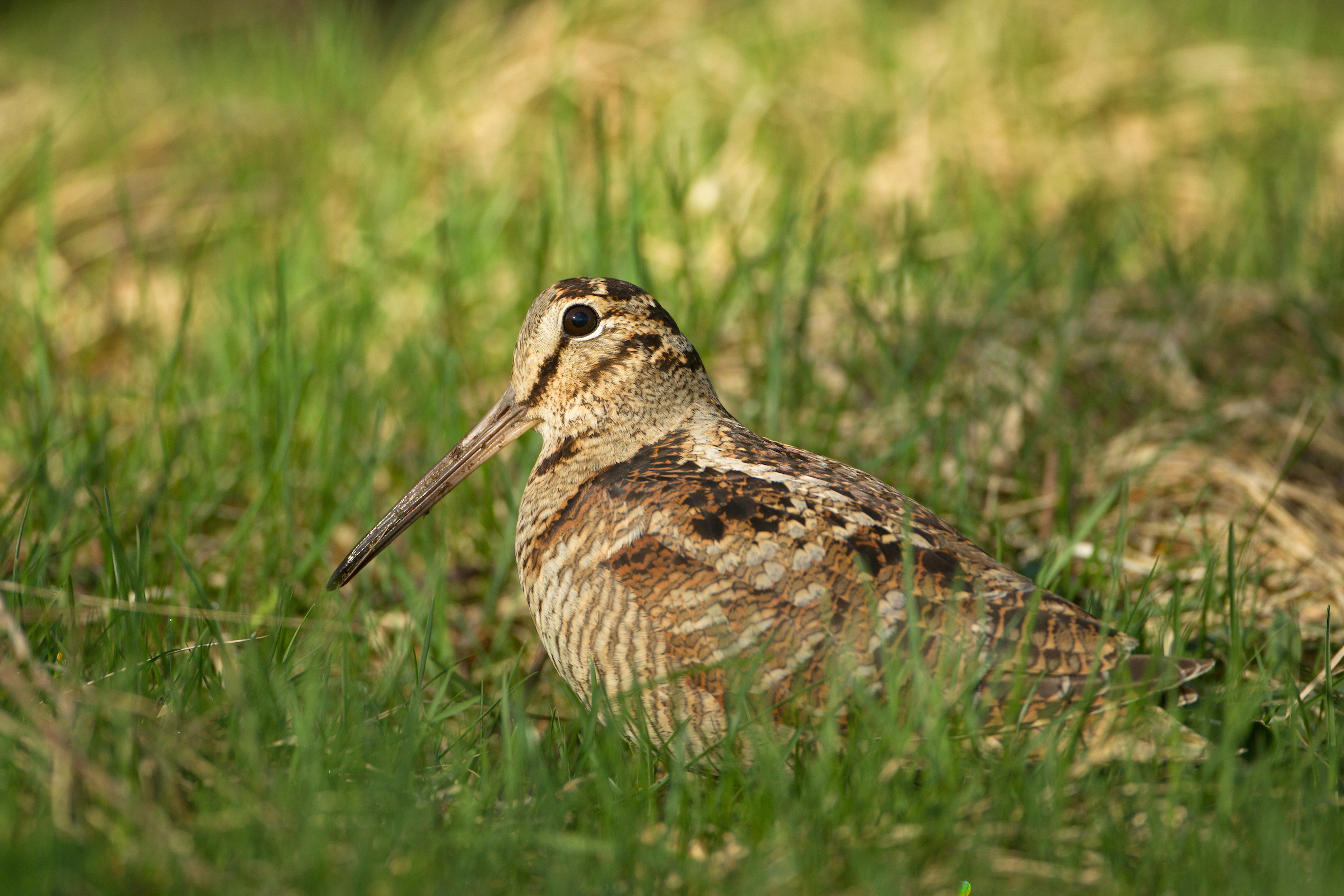
We hope you agree that ideally this species wouldn’t be shot for sport at all — but we’d suggest you welcome the proposed season changes as the bare minimum needed to protect a breeding population that is already declining and increasingly fragmented.
You could add some weight to this by noting that the case for change has been made repeatedly over many years, and that even hunting organisations themselves have acknowledged that shooting early in the season is indefensible. It’s worth making that point clearly; when even those with a vested interest in continuing the sport agree that change is needed, that speaks volumes.
Q 4F2: Do you agree the close season for woodcock should be extended in Scotland to 14 November in order to protect its native breeding population?
We’d suggest you select ‘Yes’.
In the box below:
Here we’d suggest you point out that there would be considerable merit in applying the same revised shooting season across all three countries, rather than having different rules in different places.
We note that even BASC, a shooting organisation, has argued that shooting should be delayed until late November in areas where resident birds may be present, and that this includes parts of Scotland.
Please also point out that the earlier proposed date for Scotland carries a greater risk of impacting breeding birds, and while it’s fair to acknowledge that wintering birds do tend to arrive earlier in Scotland than further south, you could argue that this doesn’t fully offset that concern.
Q 4F3: Can you provide more recent evidence on the number of woodcock that are shot in England, Scotland and/or Wales?
We’d suggest you select ‘No’.
Q 4F4: Can you provide evidence on the proportion and destination (for example, private domestic consumption, sold, given to third parties, etc..) of shot woodcock birds?
We’d suggest you select ‘No’.
Q 4F5: Can you provide evidence on what is the market price of woodcock both wholesale and retail?
We’d suggest you select ‘No’.
Q 4G1: Do you agree to adding woodpigeon to Schedule 2.1 in England, Scotland and/or Wales?
We’d suggest you select ‘Yes’.
If “Yes”,
We’d suggest you select ‘All three nations’.
In the box below:
We note that the breeding season for Woodpigeons is over a protracted period over a year and would urge that the rationale – ‘to improve animal welfare via ‘fewer’ birds being shot during the breeding season’ – is monitored accordingly.
You might want to open by flagging a practical concern – that because Woodpigeons have an unusually prolonged breeding season that stretches across much of the year, the stated aim of improving animal welfare by reducing shooting during the breeding season will need to be carefully and consistently monitored.
We do believe the proposals could help address the widespread illegal killing that currently takes place by people who wrongly believe that shooting for fun or food is already permitted under the general licence. The change, and the publicity around it, should help draw a clearer line between recreational shooting and shooting to protect crops.
However, you might want to make clear an important caveat; that the proposed changes will only deliver real benefits if there is:
Without these measures, the current situation where people shoot Woodpigeons illegally for fun and face no consequences will simply continue, just shifted into the close season. You could argue that this would make a formal open season largely meaningless, and that it’s an outcome nobody should be comfortable with.
Q 4G2: Can you provide more recent evidence on the number of woodpigeon that are shot in England, Scotland and/or Wales?
We’d suggest you select ‘No’.
Q 4G3: Can you provide evidence on the proportion and destination (for example, private domestic consumption, sold, given to third parties, etc..) of shot woodpigeon birds?
We’d suggest you select ‘No’.
(Please provide further information to support your response and attach supplemental evidence if you wish)
Q 4G4: Can you provide evidence on what is the market price of woodpigeon both wholesale and retail?
We’d suggest you select ‘No’.
Next, move onto Section 5.
Q 5A1: Do you agree the coot should be removed from Schedule 2.1 in Wales?
We’d suggest you select ‘Yes’.
Please provide any reasoning or evidence to support your response
Here you can point to your answer below.
Q 5A2: Do you agree the Schedule 2.1. status of the coot should not be changed but maintained as it is in England and/or Scotland?
We’d suggest you select ‘No’.
In the box below:
You might want to open with a simple but pointed question. If there is apparently so little demand to shoot this species, why is it necessary to keep it on the quarry list in any of the three countries at all?
You could then highlight what feels like an inconsistency in the consultation itself — the reasons given for proposing removal in Wales explicitly reference declining UK breeding and wintering populations and a Vulnerable GB IUCN assessment. You might want to ask why, if those are valid reasons for removal in Wales, the same logic doesn’t apply equally to England and Scotland.
Finally, you could round off by presenting what is essentially a win-win argument; if very few hunters are actually interested in shooting this species, then removing it from Schedule 2.1 will have minimal impact on them and there is little reason not to act. But if the numbers being killed are in fact being underreported, then the conservation case for removal across all three countries is clear. Either way, you might argue, the conclusion points in the same direction.
Q 5A3: Can you provide more recent evidence on the number of coot that are shot in England, Scotland or Wales?
We’d suggest you select ‘No’.
Q 5B1: Do you agree the golden plover should be removed from Schedule 2.1 in Wales?
We’d suggest you select ‘Yes’.
Please provide any reasoning or evidence to support your response
Here you can point to your answer below.
Q 5B2: Do you agree the Schedule 2.1. status of the golden plover should not be changed but maintained as it is in England and/or Scotland?
We’d suggest you select ‘No’.
In the box below:
You might want to open by echoing the same question raised about Coot; if there is so little interest in shooting Golden Plover and the population has suffered such steep declines, why is it still retained as a quarry species in any of the three countries?
You could then highlight a particular concern that sets Golden Plover apart. Its breeding population is highly fragmented across much of Britain, which means that even a small number of birds lost to winter shooting in certain areas could threaten the survival of isolated local populations.
Finally, you might want to close by arguing that the conservation case, and the benefits of a consistent approach across all three countries, should outweigh the preferences of the very small number of people who still wish to shoot this bird.
Q 5B3: Can you provide more recent evidence on the number of golden plover that are shot in England, Scotland or Wales?
We’d suggest you select ‘No’.
Next, move onto Section 6.
Q 6.1 Do you think any other species should be removed from Schedule 2.1 in England, Wales or Scotland?
In the box below::
Here we’d encourage you to make the case for Ptarmigan, Black Grouse and Grey Partridge to be removed from Schedule 2.1 in Scotland. We’d argue that that this would make no practical difference to those who have already voluntarily stopped shooting these species, but it would prevent killing by those who refuse to adhere to the voluntary approach. You could frame this as a straightforward case of having nothing to lose and everything to gain.
We’d also suggest that Ptarmigan is of particular concern, pointing out that climate change is adding to the already serious pressures on this bird, and that even shooting on a small number of estates could now cause significant harm. The case for statutory protection is therefore especially strong here. Given that there may not be another chance to amend Schedule 2.1 in the foreseeable future, this opportunity should be taken now.
You might then want to mention Moorhen, making a similar point to the one you made about Coot. This is a declining species with almost no hunting interest behind it, and you could simply ask what purpose is served by keeping it on Schedule 2.1 at all.
Finally, you could close by setting out clearly the full list of additional removals and changes of Schedule 2.1 (beyond those already proposed by government) that you are calling for, those being:
Q 6.2 Should other amendments (for example an extension or shortening of a close season be made with regard to any other species listed on Schedule 2.1 in England, Scotland or Wales?
Please give evidence or reasoning to support your answer.
No other species than those already mentioned in the earlier questions.
You can now finish off the consultation and submit it – thank you for taking the time to stand up for Woodcock and other vulnerable birds!