
In 2020, Wild Justice won a significant legal challenge against Defra, forcing it to introduce a licensing scheme for the release of gamebirds (Pheasants & Red-legged Partridges) on or near Natura 2000 sites (see here).
On 21st March 2025, Defra announced that it would not be issuing General Licence 45 (GL45 – the licence under which restricted numbers of gamebirds can be released on or within 500m of Special Protection Areas) in 2025 because:
“It is currently not possible to rule out the risk of highly pathogenic avian influenza (HPAI) (which is currently very high) spreading to the bird features present on SPAs”.
That was a very sensible, precautionary decision by Defra. Protecting internationally significant bird populations is of far greater national conservation importance than the unsustainable release of ~60 million non-native Pheasants and Red-legged Partridges by those who want to get their kicks from shooting them.
Natural England (now responsible for individual licences) went further, and on 14th April 2025 it advised the gamebird shooting industry that although they could still apply for individual licences for 2025 gamebird releases on or close to SPAs, some licences would only be permitted with a delayed release date for the poults, whereas licences for many other SPAs would be unlikely to be issued at all.
The Deben Estuary in Suffolk is a Special Protection Area (SPA), where saltmarsh and inter-tidal mudflats create an important habitat for breeding and wintering birds, especially for internationally-important populations of Avocets and Dark-bellied Brent Geese. It was one of the many protected sites where Natural England said gamebird releases were “highly unlikely to be permitted for the coming season [2025] unless there are exceptional circumstances that could reduce or avoid the risk of HPAI transmission”.
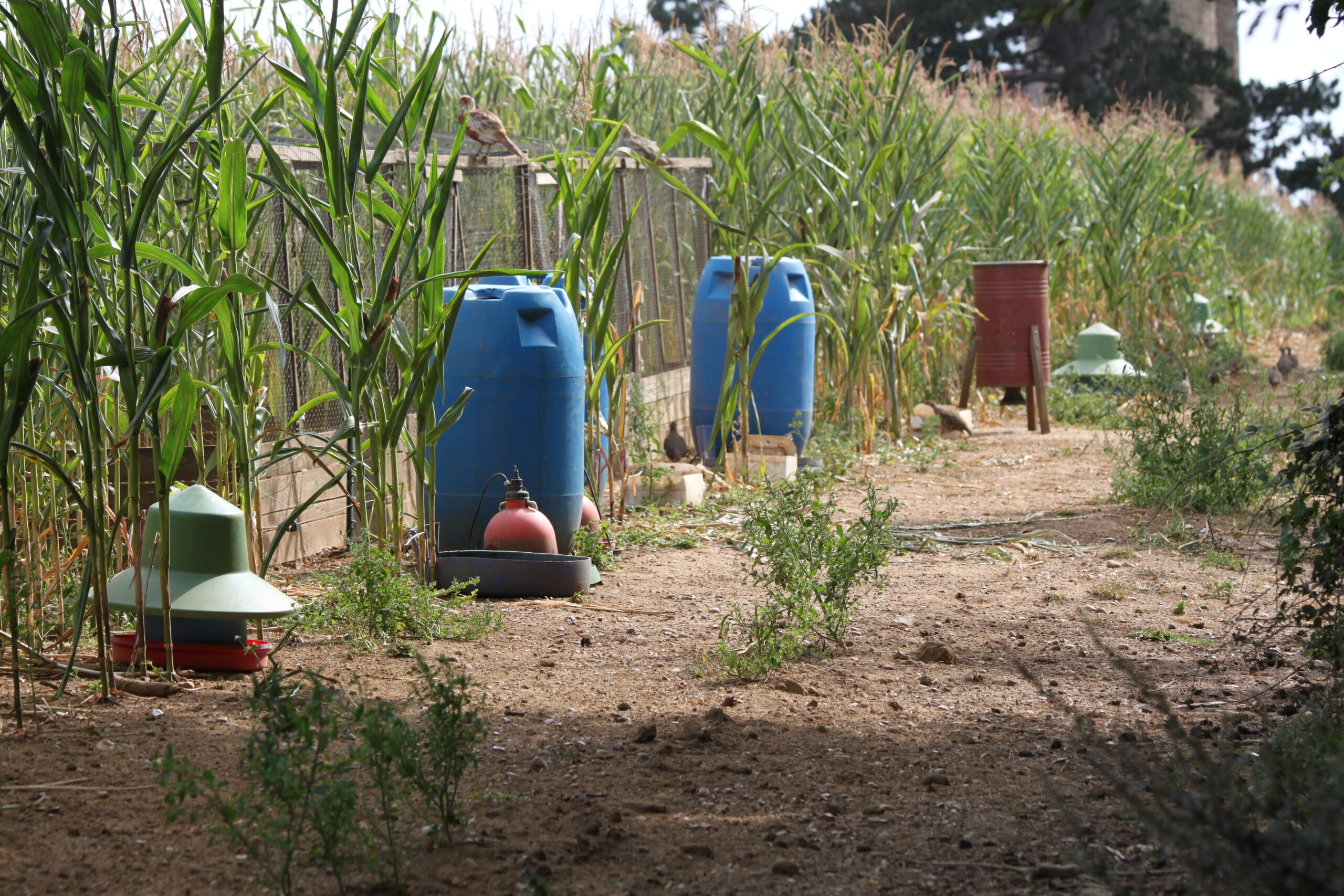
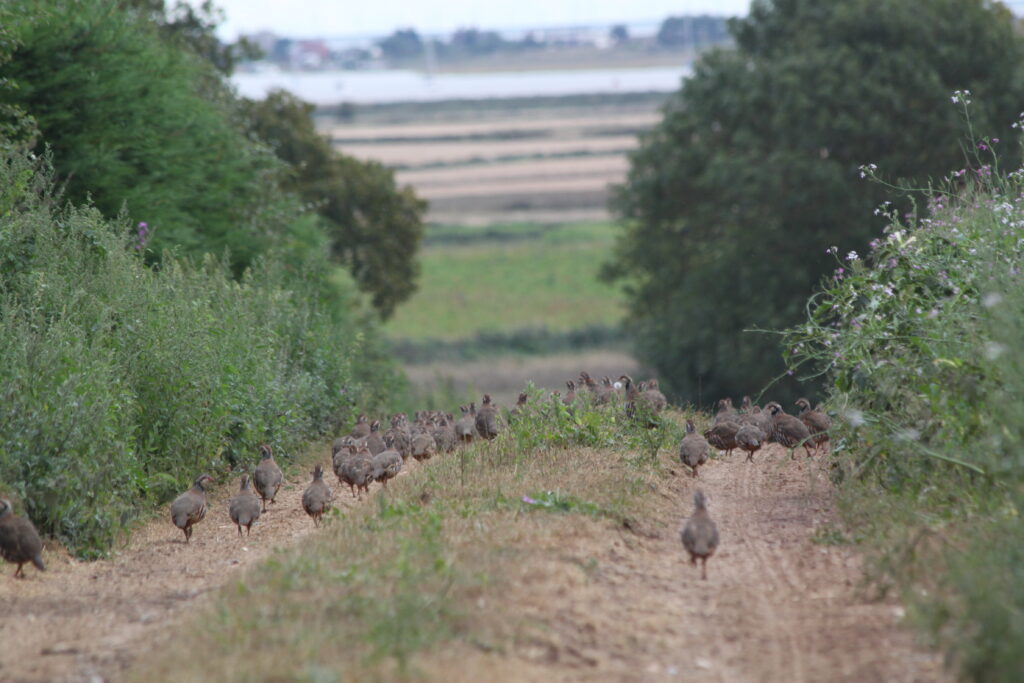
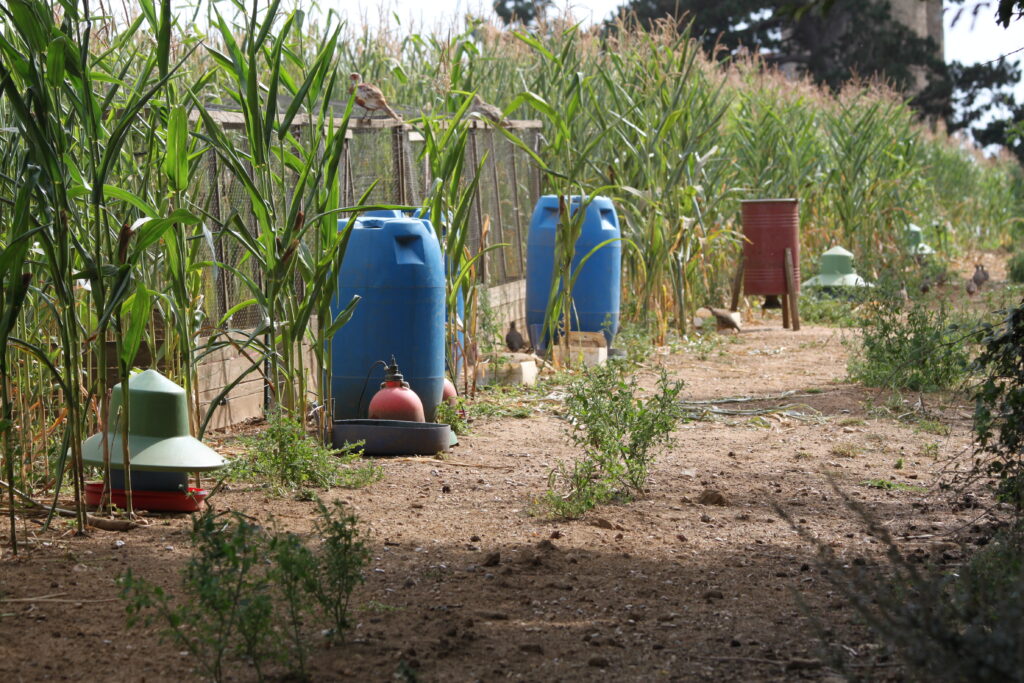
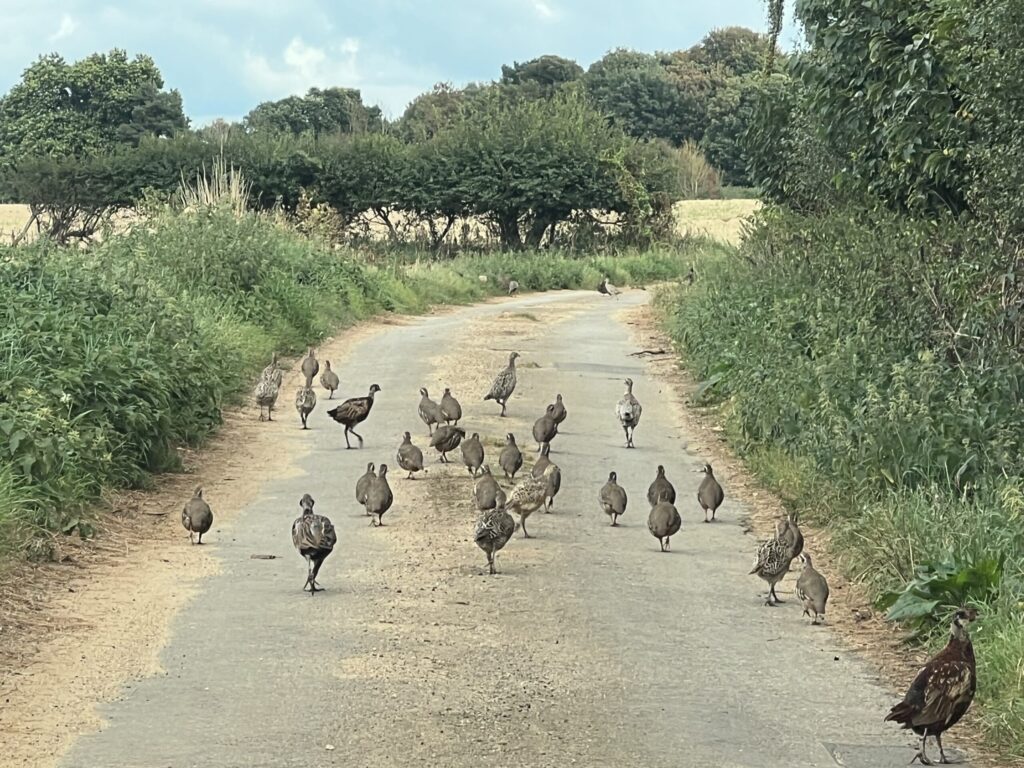
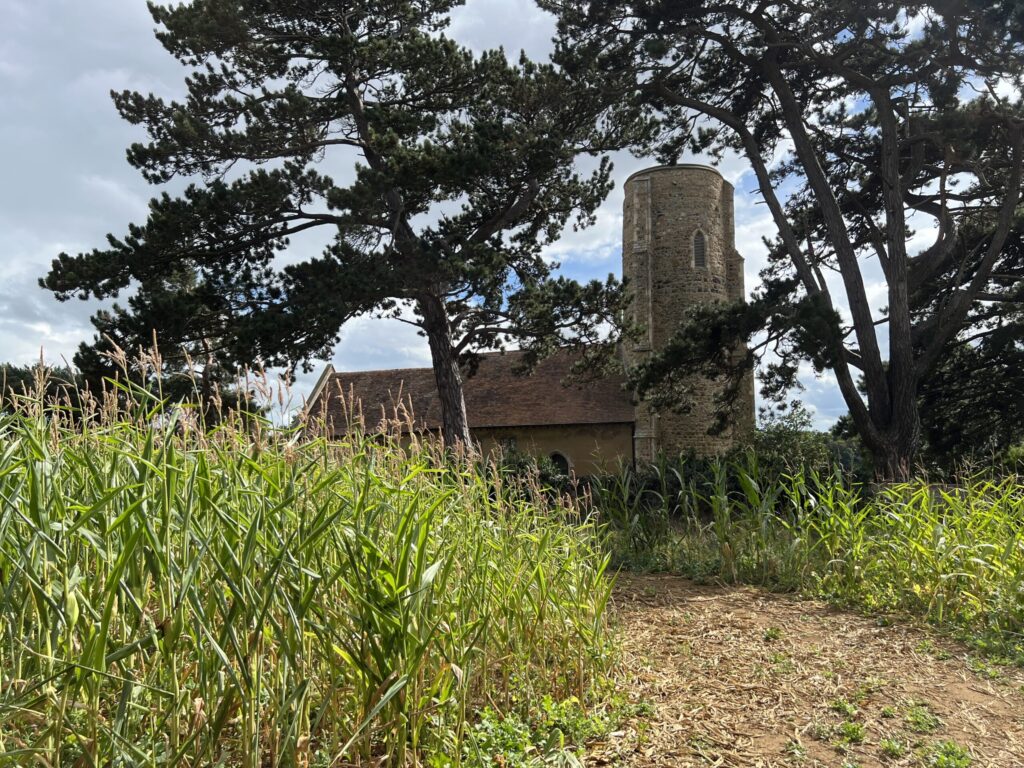
In August 2025 one of our supporters got in touch with concerns about a large number of young gamebirds (Pheasants and Red-legged Partridges) he’d seen running around the lanes and agricultural fields at Ramsholt, next to the Deben Estuary SPA. He also sent us a photo of what looked like a Red-legged Partridge (RLP) release pen he’d found tucked away in a thin strip of maize just to the north of Ramsholt church. The grid reference he provided appeared to place the pen within the 500m SPA buffer zone.
Our supporter was very familiar with the site and knew it had been the focus of our attention in 2023 as one of the protected sites in Suffolk and Norfolk where then Defra Ministers Dr Therese Coffey and Richard Benyon had gone against Natural England’s formal advice of not supporting gamebird releases there that year due to the high risk of spreading HPAI.
Our related and subsequently successful legal challenge against Defra demonstrated that the approval of those gamebird release licences was unlawful because Ministers could show ‘no cogent reasons’ for dismissing Natural England’s formal recommendation against releasing gamebirds (see here).
Naturally, then, our supporter was curious about the presence of hundreds of young gamebirds close to this SPA in August 2025 and wondered why Natural England might have issued an individual licence given the continuing high risk of spreading HPAI.
We, too, were curious, especially given Natural England’s earlier statement that it would be “highly unlikely’ that an individual licence to release gamebirds would be issued for this particular SPA in 2025.
We wrote to Natural England and asked, as a matter of urgency, whether an individual licence to release gamebirds, at or close to this SPA, had been issued for the 2025/26 shooting season and if so, on what grounds it had been issued given the high risk of HPAI (e.g. had Natural England imposed a delayed release date for the poults?). We also asked for copies of any licence applications in 2025 and copies of any subsequent licence(s) Natural England had issued.
Whilst waiting for a response from Natural England, we visited Ramsholt several times in August and September to ground truth the grid reference of the first RLP release pen and to search for other release pens as it was clear that Pheasants had also been released in the area.
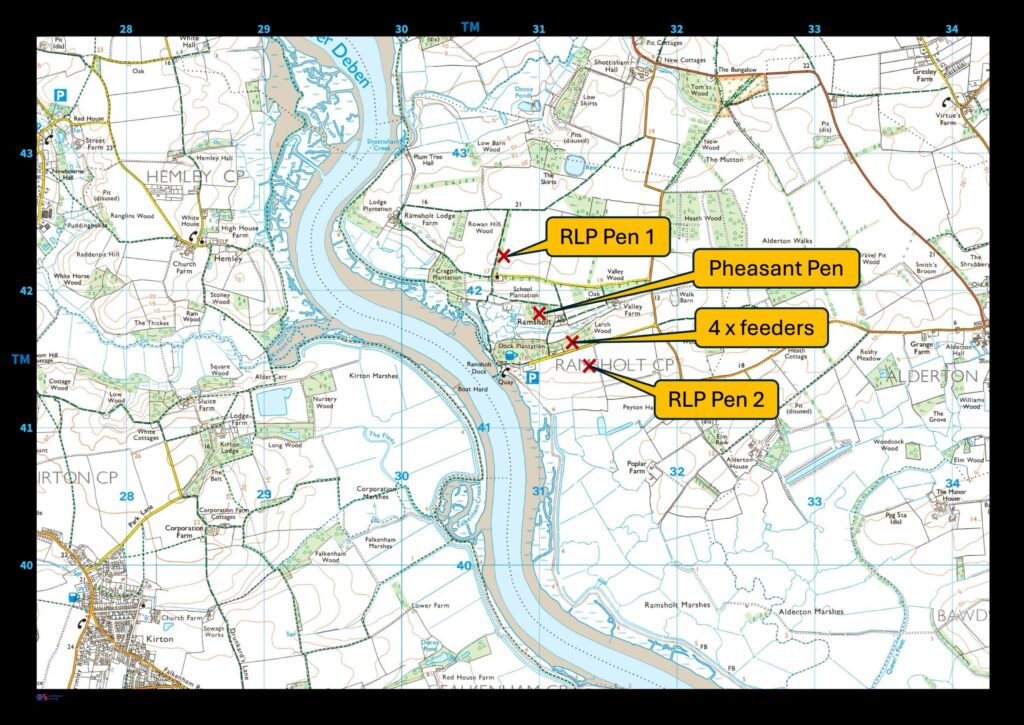
We located a second RLP release pen situated in another thin strip of maize approximately 1km from RLP release pen 1. The infrastructure was identical to RLP pen 1, as were the feeders and drink containers, which led us to believe that the same shoot operator was responsible for both RLP release pens.
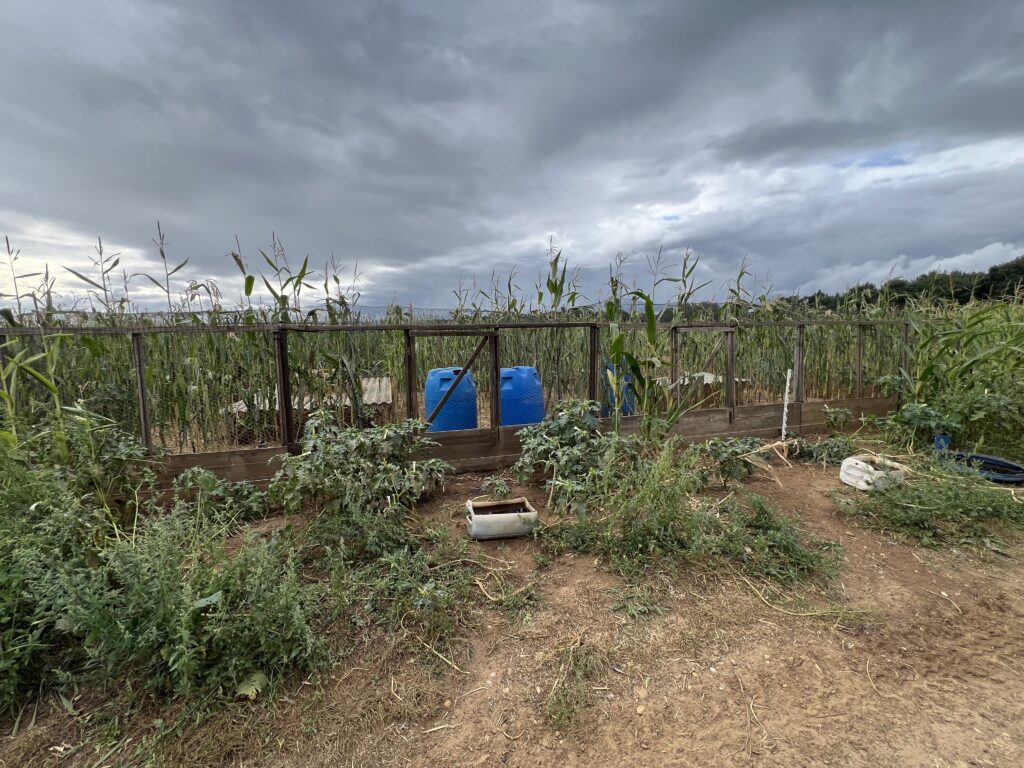
We located a huge open-topped Pheasant release pen, with associated infrastructure, inside an area of woodland mid-way between the two RLP pens. We also found four feeding stations inside another woodland (but no release pen) and saw hundreds of gamebirds in the vicinity of the pens (where food and water was still being provided) and all over the surrounding fields and lanes at Ramsholt, much of it within the 500m SPA buffer zone.
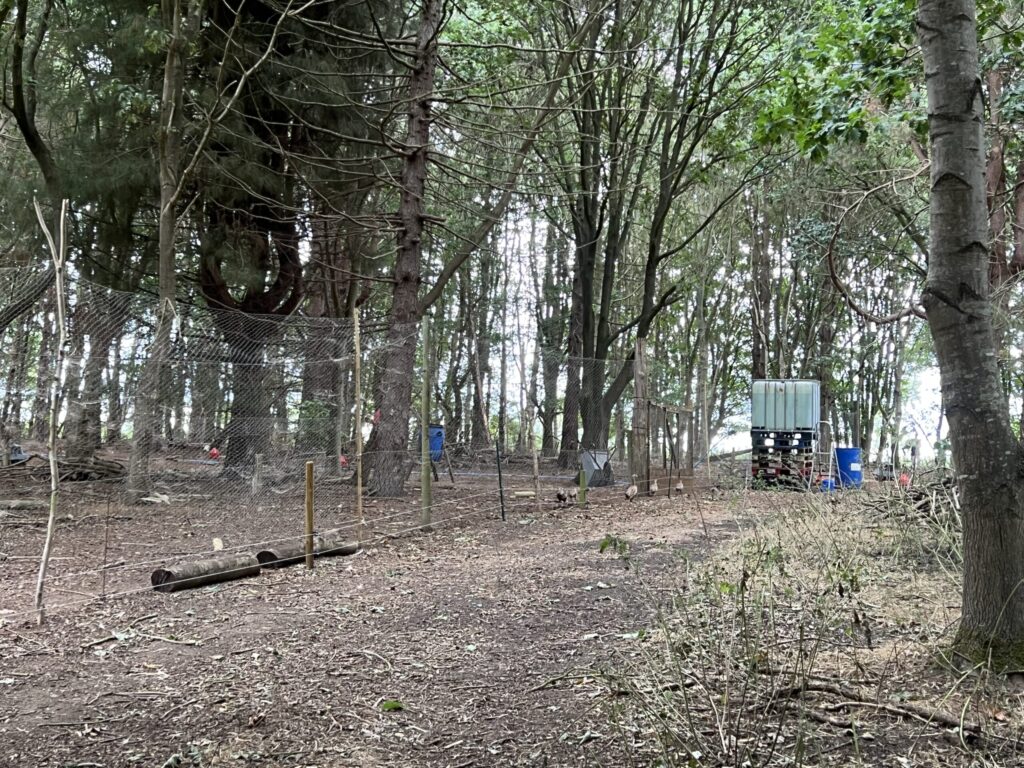
Having checked the grid references of the three release pens on Defra’s MAGIC map (Multi-Agency Geographic Information for the Countryside), we determined that RLP pen 1 was situated within the 500m buffer zone of the SPA and thus an individual licence from Natural England was required to release RLPs at that location.
RLP pen 2 was positioned 20 metres outside the 500m SPA buffer zone so no licence was required.
The large Pheasant release pen was partially inside the 500m SPA buffer zone which meant that an individual licence from Natural England was required to release Pheasants at that location.
On 10th September 2025, Natural England responded to our request for information and told us that two licence applications had been lodged to release gamebirds on the Deben Estuary SPA or within 500m of its boundary.
The first licence application (#2025-00003-GB) was submitted to Natural England on 23rd April 2025 and stated that the licence applicant (who apparently leased the shoot area from the landowner) intended to release 950 Pheasants from two release pens (250 Pheasants in one pen and 700 in another) on 1st and 14th July 2025 respectively, and 1500 Red-legged Partridges from three release pens (500 birds in each pen) starting on 18th August 2025, releasing 100 birds per day over a five-day period.
In total, the licence application was for the release of 2,450 non-native gamebirds at Ramsholt.
Natural England rejected the licence application on 14th May 2025 (this date is significant, as will become apparent later). The rejection was based on a Habitats Regulation Assessment which concluded that “it was not possible to rule out adverse effects to the integrity of the Special Protection Area (SPA) from the proposed gamebirds releases within the SPA boundary and/or its 500m buffer zone”.
On 16th May 2025, the same applicant (according to Natural England) submitted a further licence application (#2025-00032-GB) along with a supplementary information document. The applicant stated, amongst other things, “Before the end of February 2025 all my Days shooting at [REDACTED] had been sold for this season, with some deposits paid and the pheasant and partridge poults ordered from the game farm. Without a licence I’m going to be in a very embarrasing [sic] business situation”. This is significant, as will become apparent later.
Natural England rejected this second licence application (the date of rejection is not known but is expected to have been within 15 working days of licence submission as per Natural England guidance document to applicants), so we can reasonably assume that the applicant was informed of the refusal by 6th June 2025. Again, this date is significant.
Click the button below to read both gamebird licence applications:
Given that we now knew an individual licence to permit the release of gamebirds on or close to the Deben Estuary SPA had been refused by Natural England, twice, and we had clear evidence that gamebirds had still been released, we asked Natural England what enforcement action it would be taking to address these unlawful releases.
Natural England told us, “Where a licence has not been issued, wildlife offences are a matter for the police to investigate. Natural England will support the police in any investigation they undertake. Our recommendation is that in this instance, as you hold the relevant evidence, you should report it direct to Suffolk Constabulary”.
We submitted an online report to Suffolk Constabulary the same day.
On 20th August 2025, the UK’s Chief Veterinary Officer announced new mandatory biosecurity measures to counter the heightened risk of Avian Influenza in England, which was rising particularly in coastal counties (i.e. Suffolk!) [see here].
An Avian Influenza Protection Zone (AIPZ) was already in force across Great Britain, and this was updated with new mandatory biosecurity measures specifically for ‘gamebird operations’, which included the following requirements:
Our site visits to Ramsholt took place after the introduction of these new mandatory biosecurity measures and it was obvious during our visits that there appeared to be significant issues of non-compliance.
For example, there wasn’t any evidence of vehicle disinfection taking place even though the nearby Ramsholt church is a popular tourist destination attracting daily visitors.
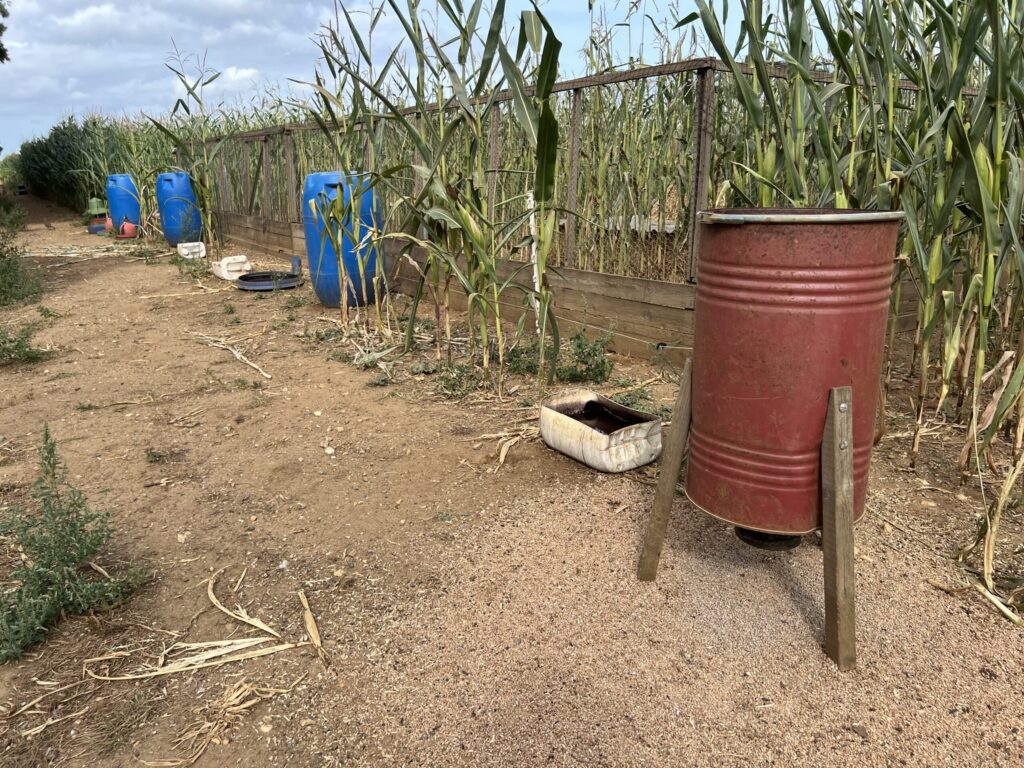
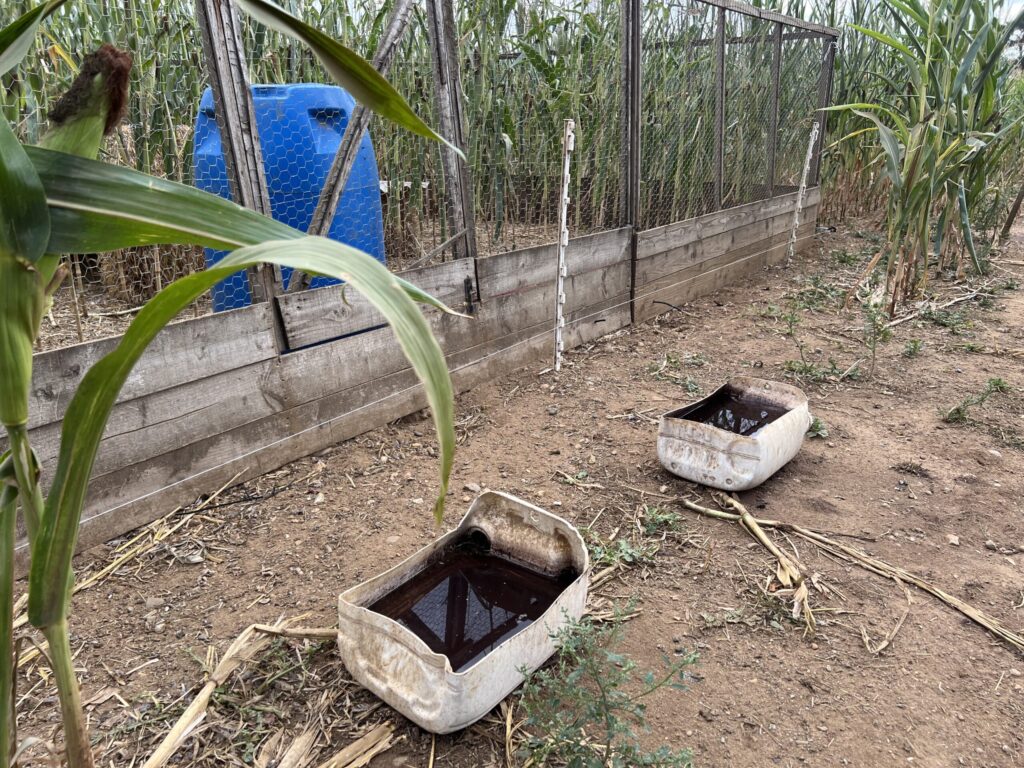
The water stations at RLP pens 1 and 2 did not appear clean and contained black-coloured water, and it was evident that spilled food had not been cleaned up from around the feeders between our visits.
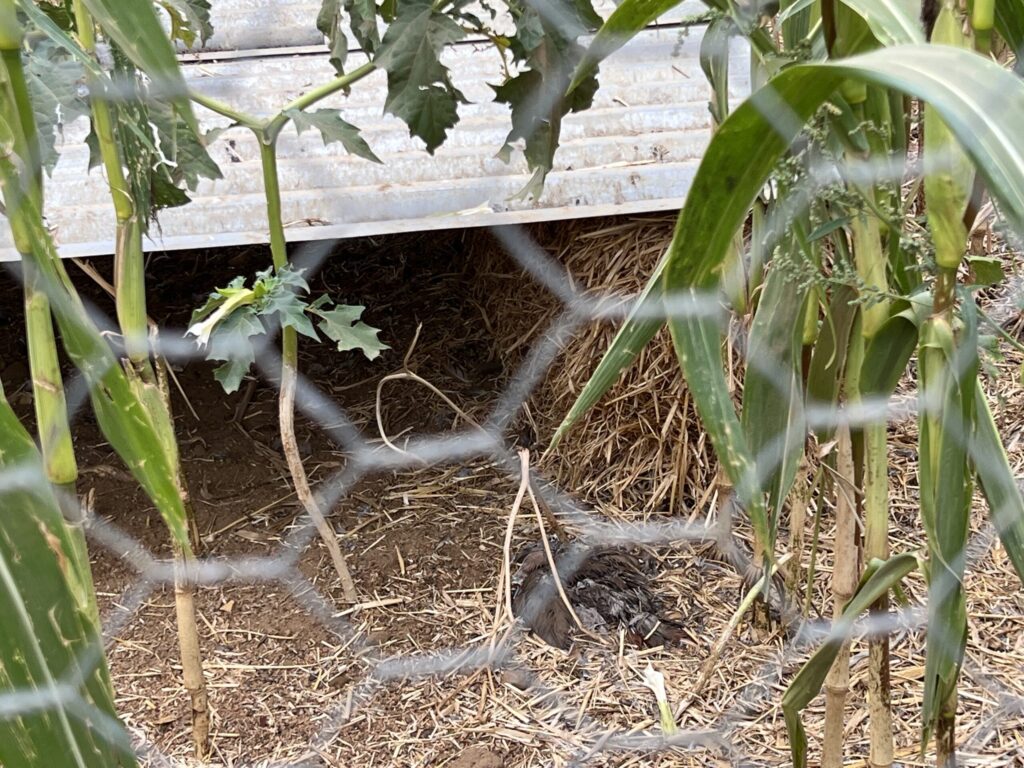
In addition, we observed a decomposing RLP inside RLP pen 2. We reported this to APHA (Animal Plant & Health Agency), a delivery body of Defra with specific responsibility for monitoring dead birds for HPAI, but we were informed that an investigation would only be triggered when five dead gamebirds were found in the same place and at the same time. APHA was not interested in collecting the decomposing RLP for HPAI testing.
Biosecurity issues are investigated by local County Councils, who are also responsible for any subsequent enforcement action. We reported our findings to Suffolk County Council Trading Standards team in August 2025 who assigned an officer to investigate this case.
Suffolk County Council Trading Standards Department: On 13th October 2025 we were advised that a Trading Standards Officer had visited the site and the shoot operator (whose identity was not revealed to us) had been “verbally advised in person in relation to the AI biosecurity measures”.
We wrote back to Trading Standards and asked for the specifics of the verbal guidance given to the shoot operator and why no stronger enforcement action had been taken given the breaches observed at all four sites constituted criminal offences under S73 of the Animal Health Act 1981 and non-compliance with a Section 23 declaration (the announcement on 20th August 2025 by the UK Chief Veterinary Officer of further disease control measures relating to HPAI at gamebird operations). Trading Standards told us:
“Regarding the department’s decision not to take immediate formal enforcement action, in the first instance we would always look to engage with, and provide advice to, businesses and individuals engaged in potential breaches. Under our written Enforcement Policy, a staged approach to enforcement action is always considered. Where a business or person is willing to engage with us and bring matters into compliance, we would also look to progress this in a positive way without resorting to immediate formal action such as prosecution. In most cases this is sufficient.
“Unfortunately, we are unable to share specifics of the verbal guidance provided to the responsible person in this instance, as these matters are confidential. However, please be assured that the guidance provided seeks to resolve the issues raised, and we will monitor the situation”.
Suffolk Constabulary: On 14th October 2025 we were advised that a Police Rural Crime Officer had visited the site (with the Trading Standards Officer) and had issued the shoot operator with a Community Resolution Order (CRO), which is an informal (non-enforceable) agreement for resolving minor crimes or anti-social behaviour without court proceedings. We later spoke with the officer and asked for details of the CRO and why the shoot operator was not being prosecuted for deliberately releasing gamebirds knowing that his two licence applications to Natural England had been refused. The unlawful release of gamebirds on or within 500m of an SPA boundary is a criminal offence under S9 of the Wildlife & Countryside Act 1981. The officer told us:
“The current shoot owner has only this year taken on this shoot and is not the applicant on the licence application or indeed linked to them. So, it is quite plausible he was completely unaware of the restrictions. This is not a defence I know, but it does put a different light on things.
“Although there were criminal offences for police to address, the main cause for concern was the breach of Avian Influenza legislation.
“The Community Resolution I issued is a formal document, which is disclosable in enhanced CRB checks. It is showing on police systems as a detected crime with the shoot owner as the suspect, making full admissions to his wrongdoing. He will not be given another opportunity to receive a CR for like offences in the future. The wording on the CR was to work with Trading Standards and to adhere to their advice.
“The male was very remorseful and fully admitted his part in the offence.
“Considering everything, a decision was made by my supervisor that the most appropriate outcome was the CR”.
Natural England: Natural England did not take any direct enforcement action because it said it was a police matter as no licence had been issued by Natural England. It remains to be seen whether the offences committed will affect any future licence applications to Natural England for gamebird releases at this site.
APHA: Under the Exotic Disease (Amendment) (England) Order 2024 it is a legal requirement for anyone ‘keeping’ birds (including gamebirds inside a release pen) to register with the Animal Plant and Health Agency, with a few specific exceptions. If 50 or more birds are ‘kept’, it is also a legal requirement to have a County Parish Holding number from APHA. We were unable to determine whether the shoot operator had registered with APHA due to GDPR restrictions (i.e. the name of the shoot operator was not known to us).
Offences under the Animal Health Act 1981 and the Wildlife & Countryside Act 1981 can attract penalties of unlimited fines and/or custodial sentences.
In our opinion, the low level of enforcement action in this case does not reflect the seriousness of the offences, nor does it offer a deterrent to other shoot operators who might be thinking of ignoring the legislation, and nor does it engender public confidence in the authorities’ ability to manage and control disease outbreak, especially HPAI.
We consider it utterly implausible that the shoot operator was “not linked” to the licence applicant, as Suffolk Constabulary were led to believe. There are several reasons why this claim lacked credibility:
In our opinion, it seems an easy loophole to exploit to avoid prosecution and it’ll be interesting to see whether a similar explanation of a supposed change of shoot operators is used in other cases.
Speaking of which, we are aware of other recent cases of unlawful gamebird releases on or next to protected areas. In October 2022, a gamekeeper in Norfolk became the first to be convicted for unlawfully releasing 3,400 Pheasants onto the Breckland SPA (note the sentencing inconsistency) [see here] and we also know of several other ongoing cases from 2025 which are yet to be reported in the public domain.
We don’t yet know how widespread this particular type of offending is, but given what we know about the gamebird industry’s general lack of compliance with other legislation (e.g. raptor persecution, use of lead ammunition to kill waterbirds, failure to register on the APHA poultry register etc), we suspect that unlawful gamebird releases, and now breaches of mandatory biosecurity measures, are probably going undiscovered and thus are under reported.
There are a number of inherent difficulties in detecting, and thus reporting on, unlawful gamebird releases. The statutory agencies do not monitor compliance, probably because they simply don’t have the resources to visit the thousands of gamebird shoots known to be active across the country. That means that monitoring and reporting is left to members of the public, but as there is no public shoot register to consult, GDPR regulations make it very difficult to identify those involved.
It’s also apparent from our investigation at the Deben Estuary SPA that enforcement is not ‘joined up’. Different agencies have different responsibilities for different aspects of gamebird shoot compliance and unless the member of the public reporting their suspicions puts all the agencies in contact with one another, the agencies may be unaware of wider issues at a particular site.
We would argue that as a bare minimum, a public register is needed, listing all the licences issued to permit the release of gamebirds and especially, the details of where those release pens are located and what restrictions are in place for each site (i.e. the number and type of birds permitted to be released).
In the next few months, Defra will have to make a decision on whether to issue General Licence 45 for the 2026/27 shooting season (this is the licence permitting the release of non-native gamebirds on or next to Special Protection Areas). Given the continuing very high risk of HPAI (84 confirmed outbreaks since 1st October 2025), we anticipate that Defra will withdraw GL45 again this year, and that Natural England will only issue a limited number of individual licences as it did in 2025. We will be watching developments closely.
Wild Justice is entirely dependent on donations. To support our work – click here. To hear more about our campaigns and legal cases subscribe to our free newsletter – click here.